Way back before the dawn of the Marvel and DC movie universes another visual universe existed – living on cheap paper and designed to be read and shared with all your friends.
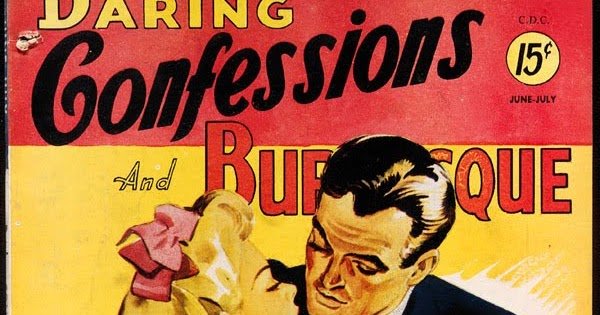
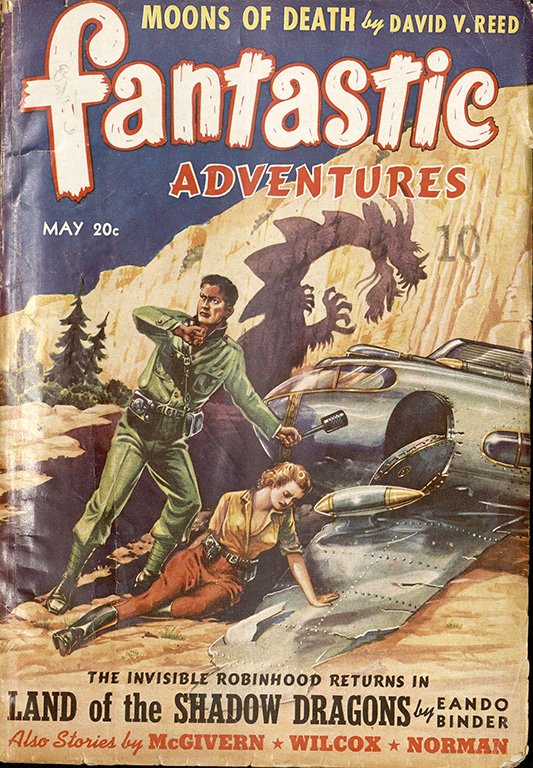
We’ve all seen these covers at some point – the jump out at you. Bright colors – garish fonts – scantily clad EXTREMELY curved ladies (most often in distress and being rescued by the hero). Flickering streetlights and the outlines of nefarious souls of some sort. Rocket ships landing in cities we don’t recognize. Each cover promised you action – adventure – horror – intrigue – all waiting inside that cheap paper cover.
Millions saw these covers over the years.
Most were made by artists who are now nameless.
The pulps? You may have heard of a few – most are now consigned to the publishing dustbin. Pulp magazines such as Argosy, Weird Tales (home of H.P. Lovecraft), Black Mask, Amazing Stories, Doc Savage, Western Story Magazine…this list is long.
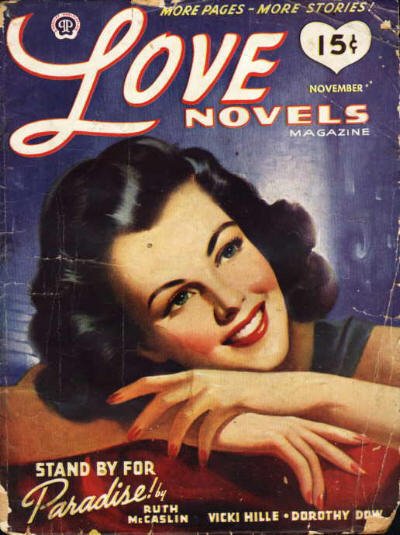
A few of the artists are somewhat remembered today – think Norman Saunders, Virgil Finlay and Frank R. Paul. But for every pulp magazine cover artist whose name may still be known by a very small segment of the population, there are a multiple more long forgotten. Do names like John A. Coughlin or Frederick Blakeslee ring anyone’s bell (even though these two collectively created over 1,000 magazine covers)?
These artists and many others occupied quite the fringe position in cultural and publishing history. These folks worked FAST, creating several covers a month (had to pay those bills). Their most important criteria was meeting a publishing deadline and that’s all their publishers cared about. The covers were made to get folks to buy the pulps are read the stories within and those pulp magazines came out every month. These artists were viewed as largely expendable, simple utilities in the pulp publishing game but those magazine racks of the 30’s had to stay full!
But the influence of these artists didn’t vanish.
The pulp magazine cover artists largely invented the cinematic spectacle that would later be perfected by Hollywood. You had all the elements: dramatic lighting – dizzying perspectives – action frozen at just the right moment. These covers literally created suspense and the urge to read the stories on that cheap paper (and later to buy the ticket to the movie in Hollywood).
With the covers doing their work you had no choice but to buy the magazine to find out what happened.
Norman Saunders and his fellow pulp magazine cover artists conveyed a sense of lurid adventure and high drama. And then there were cover artists like Margaret Brundage and her work on Weird Tales where she created her unsettling dreamlike scenes. Virgil Finlay perfected pen-and-ink, creating his dreamscapes from tiny dots and lines. Each with their own style – each doing their part to define how generations imagined mystery, horror and science fiction before the days of television.
You can see the influence of these artists everywhere you care to look. Movie posters, comic books, video games: they all borrowed many of the elements and concepts developed on pulp magazine covers. Considering most of the artists are not well-known or are essentially unknown and worked on a deadline and for their paychecks…well, their influence is really astounding,
They created images that are majorly influential but never meant to last – printed on cheap paper and consigned to a magazine rack. The paper was indeed cheap and highly acidic. The pages yellowed quickly. The magazines were thrown into boxes housed in attics and basements.
Pulp magazines were disposable.
The skill of these cover artists was anything but.
Now collectors spend years and a hell of a lot of money tracking down the originals of these pulp magazines. There are museum exhibits and online archives. After eighty something years you can still see many of these vibrant covers in something near their original glory.
But you don’t feel like you are in an art museum. You are looking at signals and transmission from a totally different era – practically from another civilization!
So we now celebrate the art but barely remember the hands that held the brushes.